turning tides
Hey there friend! It's FRIDAYYY get pumped 🎉
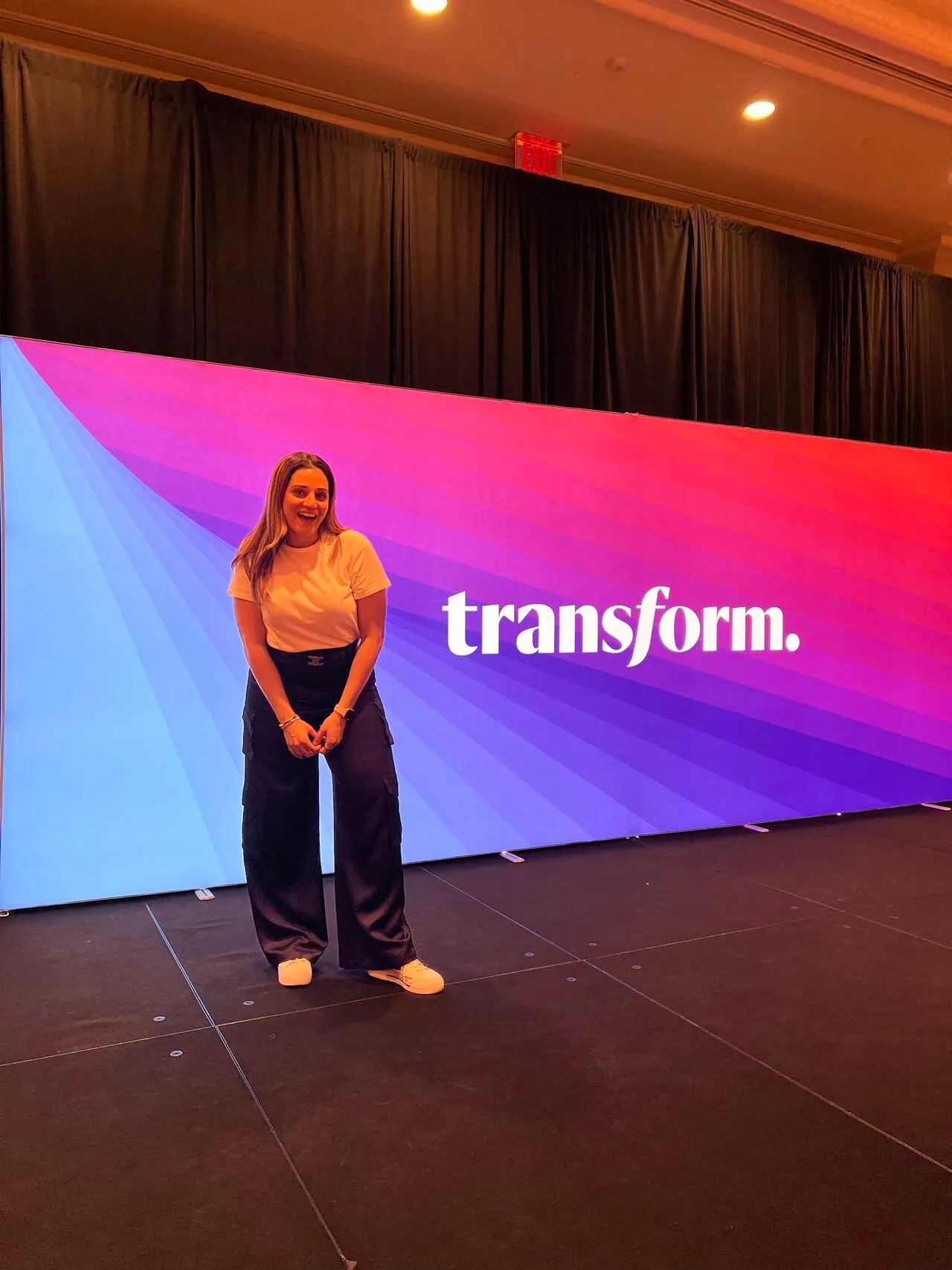
My experience at Transform was unbelievable. I feel so incredibly grateful 💞
I met so many wonderful folks and had a BLAST with my Safe Space crew.
🚨 BREAKING NEWS 🚨
I Hate it Here won an award!! 🏆 Industry Mobilizer: Inspiring Resource of the Year Award.
This isn't just a win for me though—it's a win for all of us in this amazing community we've nurtured together. 🫂
From day one, I Hate it Here has been all about carving out a space for us HR and People Ops folks who are, frankly, just fed up.
Fed up with the never-ending issues, the burnout, and feeling like we're always in crisis mode. 🔥
And now Safe Space has become this incredible corner of the internet where we can all be candid, share our battles, and ignite that spark of inspiration and support we all desperately need. 🫶🏽
So in the spirit of gratitude, you can join the Safe Space community for $100 off, for a limited time! 🤑 Use code TRANSFORM100 at checkout.
There's truly never been a better time to join and receive the support that makes a real difference for People leaders…and we’re only getting started!
I'm ALSO giving away my Manager Training Guide for free as a token of my thanks to you all (can you tell I’m excited?!)!
You can learn more about my Safe Space journey here, but in the meantime, check out some of my favorite photos from the event👇🏽



For today's newsletter, we're going to talk about terminations, resolving employee grievances, and boosting performance 👀
If you have an HR question or concern of your own, you can submit it here to potentially be featured in an upcoming newsletter! Enjoy! 📰
P.S. I'm hosting another HR Therapy on what could be holding back your employees from performing at work! Register to join me! 🎤
ASK AWAY
🌊 turning tidesCopy anchor linkCopied

✍🏽 What is the most dignified, fair, and humane process to terminate an employee for performance-related issues?
Context: Company size 80, strong family spirit values.
We give people severance, but do not usually provide performance plans ahead of time and 90% of terminations are done same day. How can we improve this? What would the be the "ideal" procedure to separate from someone with performance problems, end to end?
📣 Morgan Stanley, Head of People at Lithic:
This is tricky - on one hand I think a lot of people would agree that PIPs don't really work for a couple reasons, (1) they are usually delivered after the manager has failed to set clear expectations and/or provide clear and timely feedback so the PIP is the first time they've really heard this, and (2) I always say anyone can improve for 30 days but it is harder to keep up that good performance for longer so employees often times will come off the PIP successfully to only be back in the same situation a couple months later.
To fix your problem I would start by answering the following questions: Are you training your managers on how to give feedback? What is your performance management and goal setting process like? Do you train your employees on how to give and receive feedback? Does everyone have access to their job descriptions?
If you are training your managers on how to give feedback and they are giving it based on clearly set and agreed upon expectations, terminations become a bit better to manage. But if your managers aren't trained and aren't reliably giving good feedback and setting clear expectations... terminations become hairy and unpleasant for everyone.
Additionally, I've seen a couple things work well in terminations to make them a better experience (although there will never be a good way to fire someone).
- Offer a PIP or a severance option. Meaning, they can go onto the PIP if they prefer or they can take the severance. Gives them an option and ensures you - as the company - have documentation around their termination.
- Have a clear severance policy. Does it require a tenure? Can they keep their company issued laptop? How does this impact their equity grant? How much COBRA coverage is the company sponsoring?
- Ensure your managers are actually giving and documenting this feedback. Documentation is everything. Your employees should not be surprised by the decision you've made to terminate.
- Be compassionate. You are impacting someone's life regardless of whose fault it is.
📣 Mikela Johnson, People Partner at Ever.Ag:
The more honest, open, and transparent you can be, the better. Depending on the situation, I suggest the manager approach the employee to discuss how the employee feels about their performance. Do they feel like they are meeting expectations? Do they enjoy their current role and feel it aligns with their strengths? Do they feel fulfilled? This can initiate a conversation between the manager and the employee about the leader's expectations, any gaps in meeting those expectations, and how the leader can support the employee in pursuing new opportunities.
I wouldn't recommend this approach with an employee who adamantly believes they are a top performer. However, for others, it presents an excellent pathway towards a mutual separation rather than termination. These conversations not only signal to the employee that the current employment arrangement isn't ideal, but it also enables both the leader and the employee to explore alternative career opportunities and strengths, co-creating a plan for the employee's transition off the team.

✍🏽 I love my job but this keeps happening: I address poor performance with an employee (with a supervisor present). The next day or two, the employee asks for a private discussion with HR to share concerns about their supervisor and/or file a complaint about them. What's the best way to address performance issues, hold space for the employee who ALSO has concerns, and find out the truth?
Context: 100+ employees, real estate
📣 Alex Clermont, Director of People & Operations at TDC:
If it's happening often, this may be something cultural to address proactively. Do employees have the access, empowerment, and internal education to know they can raise concerns about their supervisors before it gets to that point? Is anyone checking in with newer staff at different key points (3 months, 6 months, one year) without a supervisor present? If there are patterns of concerns about a particular supervisor, are they addressed?
As for being reactive, are there any patterns to the complaints you're hearing from employees in these private discussions? Do those patterns highlight places for improvement? Maybe management training is something your organization wants to invest in. What steps are managers taking before performance issues land on your desk? Maybe those processes need to be looked at or formalized. But I would look less at "what do I do when this situation arises" and more at "why does this keep happening."
Ideally, when the situation arises you'd be able to point to the opportunities they had ahead of time to raise concerns, and express that while you believe them and will talk to their manager, the complaint loses some edge when it's raised after a performance review. Point out that if the situation was reversed, it would feel like retaliation. And again, definitely investigate all complaints, but encourage the complainant to utilize all these proper systems you have in the future. To do that though, you need those systems.
📣 Adrienne Rampaul, Head of People at Side:
Without details on what the complaints are about…
I’d pursue both.
Investigate/mediate/etc. on the complaints
- if valid, depending on what they are, might be part of the ‘why’ performance by employee is ‘low’ (mismanagement, bias, harassment, etc)
- If valid, depending on what they are — get manager support/counseling/training/write-up/etc in place
Address low or poor performance
- data validation of poor performance — do we have this? If not, validate poor performance
- PIP with actions & timeline (depending if necessary)
Many more People Leaders had thoughts and advice on these questions...
Find out what they had to say in the private Safe Space forum.
🚨 ON YOUR RADAR
😱 March 15th: I'm giving away a free year of Safe Space to two people with the HR horror story with the most votes - Submit yours here! Deadline is Saturday at midnight.
🎤 March 20th: I'm hosting another HR Therapy on how to encourage better employee performance at work! Join me!
🎧 I Hate It Here Podcast: I'm always dropping new episodes with your favorite People Ops leaders! Check it out on Spotify or wherever you get your podcasts!
📚 Anessa Fike's The Revolution of Work is out!! Secure your copy.
🔗 Hirefor Partnership: HireFor makes your life easier when it comes to recruiting! I promise you'll want to check it out...
SPONSORED BY COCOON
Navigating leave as an ADA accommodation has been a 30+ year saga for People teams.
Between understanding eligibility and entitlements and the dreaded interactive process, we can all agree it’s a bit of a compliance nightmare! 😵💫
Here’s the good news: Cocoon’s got you covered!
Their new leave accommodation experience saves People teams time and streamlines the interactive process by pulling some of the most disjointed pieces of the process together in product.
Now, being compliant with those intricate legal requirements actually feels easy!
Ready to end the ADA leave saga once and for all? ⬇️
FRIDAY FUN
🗣️ please stopCopy anchor linkCopied
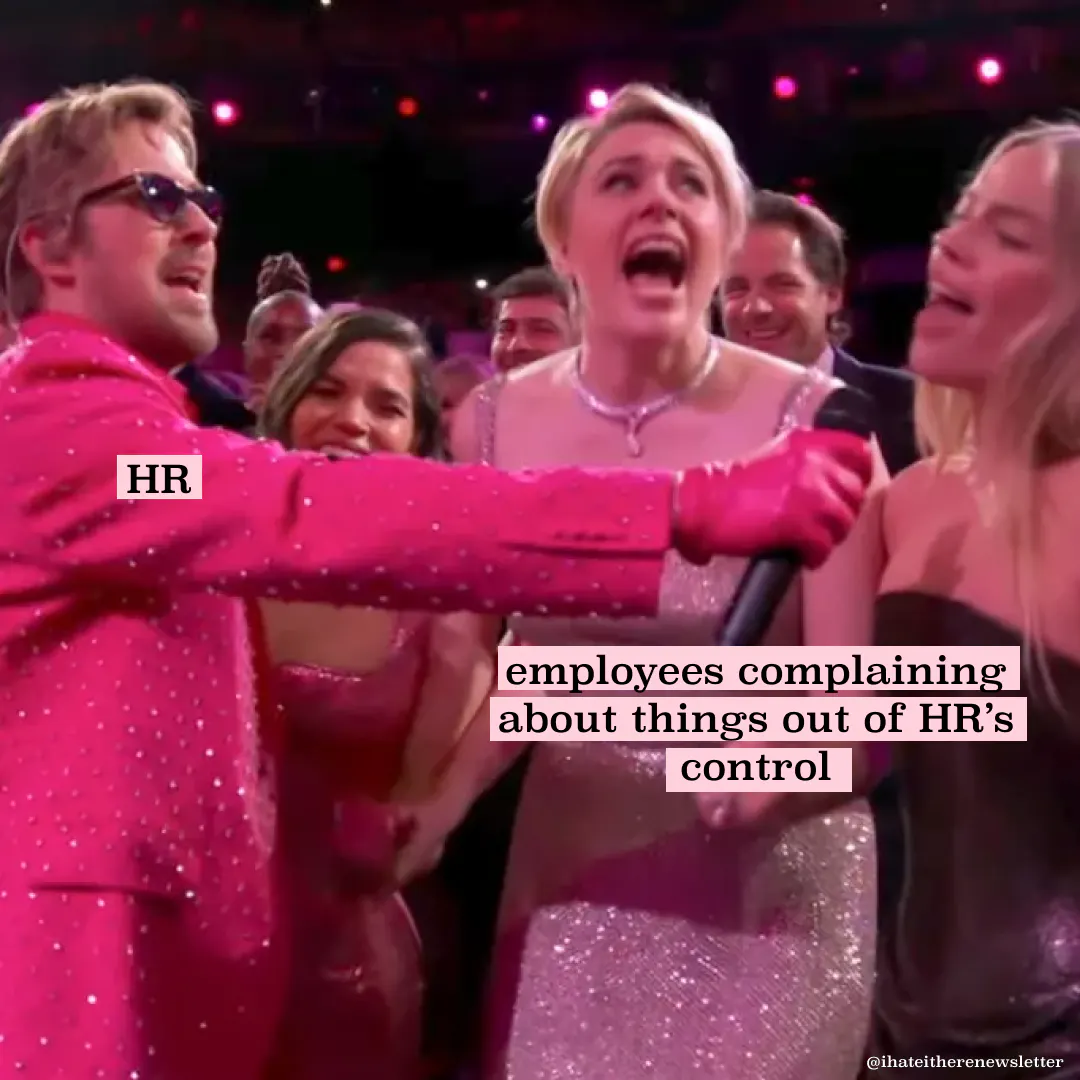
I WANT TO HELP YOU BUT I CANNOT!!!!!
TRUST ME I'M JUST AS ANNOYED AS YOU!!!
That's all for this week! I hope you enjoyed! If you have any thoughts, please let me know. I'm allll ears.
Reminder: Today is FRIDAY. 🙏
Don't forget, friends don't let friends miss out on I Hate it Here.
Check out the rewards for referring friends ⬇️