📓 Casper runs recruiting
Why candidates and employers disappear, and where the process needs help.
In partnership with

Surprised to see me in your inbox on a Tuesday?! Well, here I am!
This is a ✨special edition deep dive✨ of I Hate it Here. Every now and then, you may get one of these from me! 👏
This special edition deep dive is sponsored by Teamtailor.
What's a deep dive?
Deep dives are opportunities for me to collab with specific companies in the HR/People space on topics of joint interest to them, me, and even you! The sponsoring company provides invaluable input on the topic, but this edition itself is written, edited, and published by your fave gal, me!
Today, I'm discussing why candidates and employers ghost each other, what happens before the silence, and how to build a hiring process people will want to finish.
Let's get into it!
The Nation’s Recruiters Have Gathered to Ask Where the Hell Everybody WentCopy anchor linkCopied

Somewhere, a recruiter is complaining about a candidate who disappeared while six other candidates are waiting for that company to email them back! 👀
(This is a subtle reminder to check your inbox today)
👻 Ghosting has become such a miserable part of hiring, y’all. 👻
Candidates get through multiple interviews and never hear another word again, and recruiters finally get an offer approved, send it over, and spend the next week wondering whether the recipient entered witness protection.
BUT, before we declare both sides equally guilty and call it a day, remember that employers have more control here!
They’re the ones who decide how many interviews happen, and whether “next week” truly means next week, or sometime before the sun burns out. 😒
Sure, a recruiter losing a great candidate is incredibly frustrating, but a candidate waiting to find out whether they can afford to leave a terrible job has something different riding on that email.
And recruiters…I know some of you are reading this while waiting for a hiring manager to answer a question you’ve now asked in three different places.
The whole process has a lot of moving pieces, so today I wanna talk about why candidates disappear, how employers end up doing the exact thing they complain about, and where your hiring process miiight be encouraging everyone to flee.
By the end, you’ll have simple, practical ways to keep people updated, without making your recruiter personally chase every busy adult on the hiring team!
They Moved On While You Were Circling BackCopy anchor linkCopied
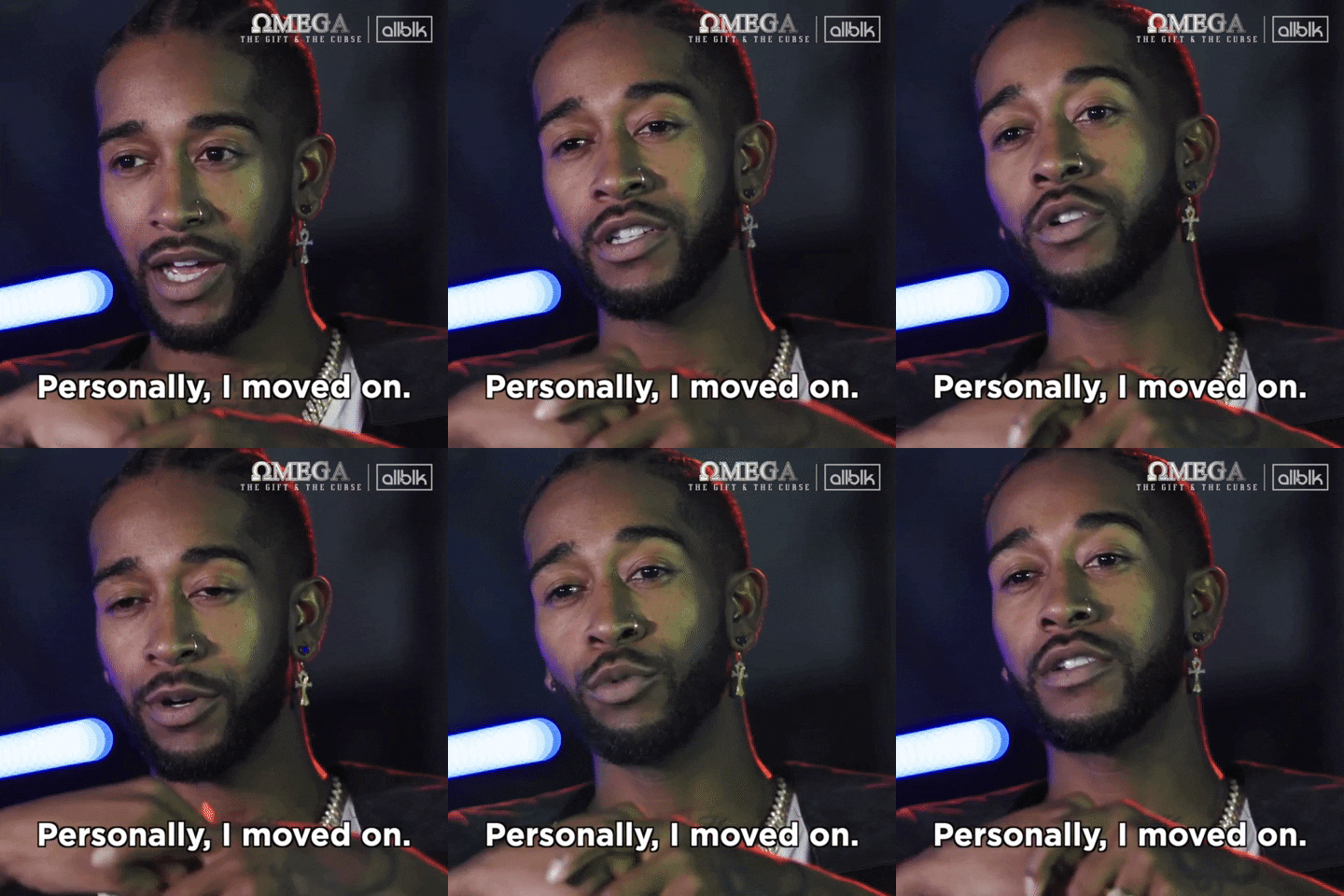
Let’s walk in the shoes of a candidate for a minute, shall we?
I think we’ve all been here at some point…it lowkey feels like a humiliation ritual writing your third follow-up email, hoping to hear back from a company. 🙃
They spend half an hour figuring out if they should add an exclamation point somewhere to convey excitement, or reach out on LinkedIn in an effort to stand out.
All of this effort over a job they don’t even have, mind you!!
Eventually, people get tired of auditioning for a response.
You know that one popular GIF of the jester dancing in front of the queen? That’s the kinda vibe it gives to the candidate:

They keep applying to places and eventually stop getting excited after their interviews.
When another employer finally makes an offer, they take it instead of waiting for your team to finish a discussion that may as well require a constitutional convention.
By the time you resurface with ✨EXCITING NEXT STEPS✨, they’ve moved on and probably won’t be looking back.
Would a quick reply be courteous? Yes, I’d encourage it, actually!
But am I shocked that someone who spent two weeks being ignored doesn’t sprint to answer your email? Also no.
Accepting another offer after weeks of silence is one reason a candidate might stop responding, but a slow hiring process isn’t the only thing that makes people disappear:
- A candidate’s current employer offers more money
- The salary comes up, and suddenly everybody understands why it wasn’t in the job posting
- They find out the benefits would cost them significantly more than their current plan
- They applied during a particularly shitty week at work, then decided a job search was more than they wanted to take on right now
Sometimes, just getting to know the company is what kills the interest! 😲
For example, what if the recruiter describes a flexible workplace, but the manager says everyone’s expected in the office 5 days a week? That’d deff give me the ick.
Or what about when an interviewer casually mentions that the team has been running lean since three people quit, and you can already anticipate a workload bigger than the job description?
Don’t even get me started on the unpaid assignment sent Friday afternoon and due Monday!
🔎 Employers should absolutely investigate WHERE people disappear. 🔎
If it keeps happening after the compensation convo, potentially it’s time to revisit the compensation. If candidates go quiet after meeting the same person, that opens up a point of friction that needs to be addressed.
Calling everyone flaky is convenient because it also lets your process off the hook before you’ve bothered to look at it! But we know better!
The Hiring Manager Has Left the ChatCopy anchor linkCopied
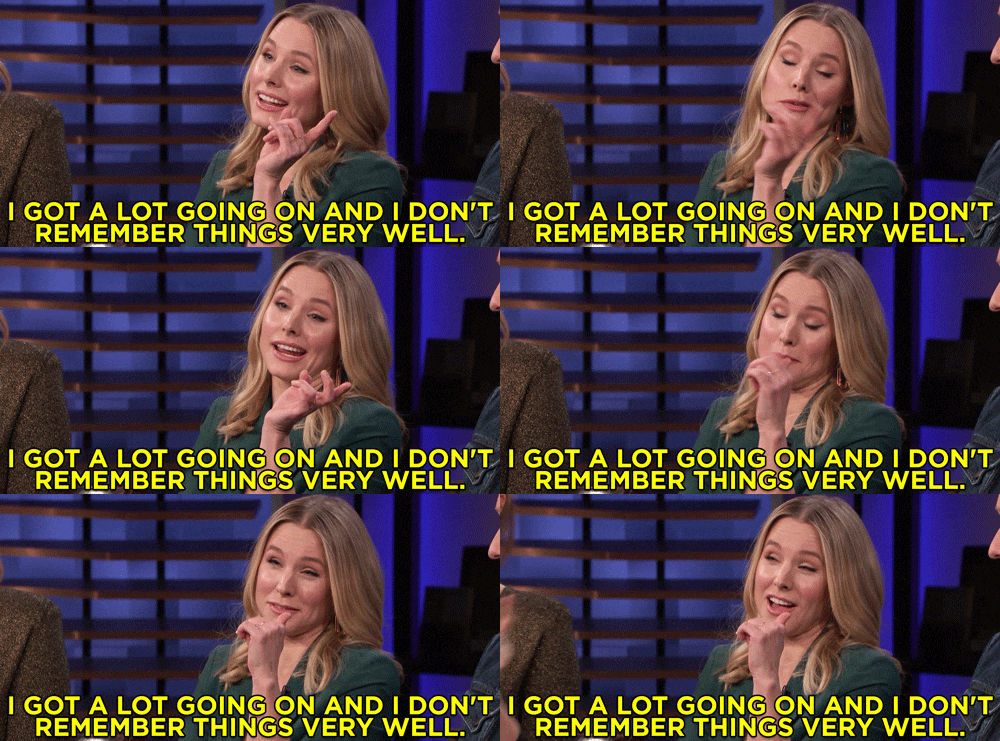
It’s kinda funny that an org can coordinate six interviews and still somehow struggle to send one rejection email. I would love to study this company’s definition of efficiency!
When candidate communication falls apart, it’s usually because nobody has agreed on what happens when the hiring plan changes. 🤨
What I see happen a lot is the recruiter waiting for a decision while the hiring manager thinks there’s nothing to share yet, all while the candidate is refreshing their inbox because somebody promised an answer by the end of the week.
Everyone internally knows the search is stalled, but the candidate sees none of this on their end. They just know you said Friday, and Friday came and went!
I think this is so common because the consequences land on diff people.
Unless somebody takes responsibility for that gap, silence becomes the default every time a decision gets difficult, and that’s no bueno. 🫣
Meanwhile, the recruiter may be supporting several open roles and more applicants than they can reasonably keep up with.
(You see where this starts getting chaotic pretty quickly???)
Leadership can’t keep adding reqs and assume candidate communication will survive on good intentions.
People are bound to miss things when they’re overwhelmed, and ideally, that should concern whoever keeps overwhelming them.
Other delays are more awkward to explain:
- The budget isn’t approved anymore
- Two leaders disagree about the role
- The first-choice candidate hasn’t accepted, so everyone else is left waiting while the company keeps its options open
I totally understand wanting a backup, but I’m less understanding about letting someone believe a decision is imminent when you know it isn’t!
And sometimes people avoid sending bad news simply because it feels uncomfortable.
Discomfort is literally unavoidable in this role BTW, so the only advice I can give here is to just do the uncomfortable, necessary thing anyway.
The candidate shouldn’t spend another week wondering because nobody wants to write an unpleasant paragraph!
Fixing this takes cooperation from the people making hiring decisions. Before interviews start, agree on when feedback is due and who communicates with candidates, then follow through when somebody misses the deadline.
I’ve found that a shared place for those convos is helpful. Teamtailor’s Job comments let hiring teams discuss the recruitment process and mention colleagues who need to weigh in.
This is especially useful when the alternative is piecing together a decision from someone’s inbox!
Everybody Should Know What Happens NextCopy anchor linkCopied

I’m not asking employers to guarantee that every search goes exactly as planned.
🧙We already know that’s a corporate fairytale! 🧙
Budgets change all the time, and decision-makers get sick or end up on vacation.
You can just tell candidates that something changed, ya know?
“We’re waiting on final confirmation. I’ll update you Tuesday” is a perfectly serviceable email, even if Tuesday’s update is that you’re still waiting.
You made a commitment to communicate, right??? The absence of a decision doesn’t cancel it!
This starts before the first interview, which means you need to tell people what the process involves and give them enough info to decide whether they want to participate.
How many convos are you expecting? What’s the assessment, and how long should it take?
If you don’t know why a step exists, figure that out before asking someone to rearrange their life for it!
Candidates already have plenty of obligations between jobs, appointments, and people depending on them.
Asking somebody to jump on a call in an hour might be easy for your team, but that doesn’t mean it’s easy for the person discreetly interviewing from their car!
Make scheduling less of a chore wherever you can. Teamtailor’s Smart schedule lets candidates choose from available interview times based on connected calendars. 📅
Ask about their timing, too. Another offer deadline is info you need before your hiring manager suggests reconvening in two weeks.
And when someone withdraws, let them leave graciously.
Once a search ends, you have to close the loop, especially with people who invested hours in your company! They shouldn’t have to stumble across a LinkedIn announcement to discover you hired someone else. 😭
Then look at where the process dragged.
How long did candidates wait between stages? Where did interest drop? What kept requiring an apology?
If several people tell you the interviews felt repetitive, resist explaining how valuable each stakeholder’s perspective is. They sat through those conversations. Hear them out.
You may discover that your very thorough process is asking the same questions five times.
I’d lose enthusiasm too.
Your Recruiter Can’t Remember Everybody’s EverythingCopy anchor linkCopied

There are only so many follow-up notes one person can carry!
Eventually, the note gets buried, another task becomes urgent out of nowhere, and a candidate who was supposed to hear back on Tuesday is still waiting Friday. 😒
If that sounds familiar, it’s time to give your hiring team something more dependable than someone’s memory.
Teamtailor gives hiring teams ways to build that follow-through into the workflow.
Their messaging tools support automated communication and templates, while triggers can create follow-up to-dos when candidates reach particular stages.
That means your team can prepare routine messages ahead of time and put follow-up tasks where recruiters can actually act on them.
When the day fills up with interviews, the next candidate update doesn’t have to depend on a sticky note surviving until 5 pm!
Routine updates become less dependent on someone remembering them between interviews, as it should be, in my humble opinion. This also gives recruiters more room to handle the convos that need their attention.
💡 Pro tip: Please read those automated messages before switching them on, though. A cheerful email about how excited you are means very little to someone whose application hasn’t moved in weeks!
Your team still needs to make decisions and have the occasional awkward convos, but Teamtailor can help organize the work around those decisions so candidates aren’t forgotten while everyone waits.
If you’re watching good candidates disappear while recruiters spend their afternoons apologizing for delays they didn’t cause, you’re in the right place. Ask Teamtailor its communication tools and follow-up workflows could support your hiring process.
You put real effort into getting people interested in your company, so make sure your team has the tools to keep the convo going! 🤓
Resurrect Your Candidate Experience
Thanks for reading this deep dive! Reply with any thoughts you have.
XOXO,
Hebba Youssef